Haunted Drams, our Ghost & Whisky Experience, returns this October - BOOK NOW>

Women of Edinburgh: Hidden Histories, Whisky Heroines, and the Stories Around Parliament Square
Explore the remarkable women who shaped Edinburgh’s history and whisky heritage. From Old Town pioneers to Scotland’s earliest female distillers, discover the stories behind the women who transformed Edinburgh.
3/4/20262 min read
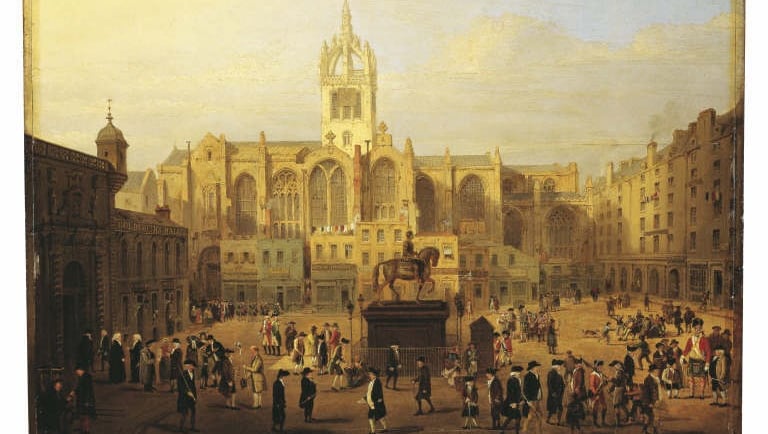
Edinburgh’s historic closes and courtyards hide centuries of stories, many of them written by women whose contributions shaped the city but were seldom recorded. Around the Royal Mile and especially near Parliament Square – only steps away from The Lost Close - women played key roles in civic life, commerce, and Scotland’s whisky tradition. This article uncovers their influence and celebrates the whisky‑making women honoured at The Lost Close.
Edinburgh’s Historic Women: Merchants, Reformers & Survivors
Mary King – Merchant, Mother & Early Voter
Mary King, namesake of Mary King’s Close, was a 17th‑century cloth merchant and widowed mother who inherited the title of Burgess, granting her voting rights long before women’s suffrage. Her business and civic role placed her among Edinburgh’s most influential early women.
Nannie Brown & Ella Morrison Millar – Political Trailblazers
Edinburgh’s archives celebrate several local women who helped shape civic life:
Nannie (Agnes Henderson) Brown – a prominent suffragist born in Edinburgh.
Ella Morrison Millar – Edinburgh’s first female Town Councillor, representing a major breakthrough in women’s participation in local government.
These women were recently highlighted in a curated series celebrating influential Edinburgh women from the past.
Dr. Sophia Jex‑Blake – The Woman Who Rewrote Medical History
Sophia Jex‑Blake led The Edinburgh Seven, the first women admitted to a British university in 1869. She later opened Edinburgh’s first women‑staffed hospital and became the city’s first female doctor, redefining women’s access to education and medical careers.
Widow Aitken - Businesswoman on Barrie's Close
Records from 1752 mention Widow Aitken, an ale seller living on the High Street between Fishmarket Close and Parliament Close, almost certainly placing her in Barrie’s Close, which leads toward what we call 'The Lost Close' today. This reference offers rare documented evidence of a woman actively running a business in 18th‑century Edinburgh’s Old Town. It highlights how women’s economic contributions were widespread yet historically neglected, despite their essential role in sustaining the city’s bustling closes.
Women in Whisky: Edinburgh’s Original Distillers
Before whisky became an industry, it was a domestic craft…one largely practiced by women.
Bessie Campbell – Early Whisky Maker in Edinburgh
One of the earliest official whisky‑related records in Edinburgh mentions Bessie Campbell, who in 1556 was ordered to stop producing and selling illicit whisky. This demonstrates how deeply women were involved in distilling long before commercial production.
Jonet Cochrane – Supplying Whisky in the 1600s
Records also show women like Jonet Cochrane, who supplied whisky to the Rector of the University of Glasgow in the early 17th century, evidence that women were active in whisky commerce at all levels.
Women Distillers Across Rural Scotland
Historians have uncovered that more than 20% of early 19th‑century still owners were women, often working cooperatively in communal stills. Many sold whisky into city markets like Edinburgh, supporting families and local economies.
The Lost Close: Celebrating Women in Whisky Today
At The Lost Close, our immersive Women in Whisky in the Old Town of Edinburgh experience brings these stories to life. Featuring drams such as Cardhu Gold Reserve and Nc’Nean Single Malt, our tasting showcases the women who shaped Scotland’s most iconic spirit—both past and present.
From the hidden closes around Parliament Square to Scotland’s earliest distilleries, women played essential roles in shaping Edinburgh’s identity and whisky heritage. Today, their legacy lives on in the city’s cultural landscape and in the glasses poured at The Lost Close.
Book your Women in Whisky experience.
Immerse yourself in Edinburgh's rich traditions today.
Contact
info@thelostclose.com
1 Barrie's Close, Edinburgh, EH1 1RF